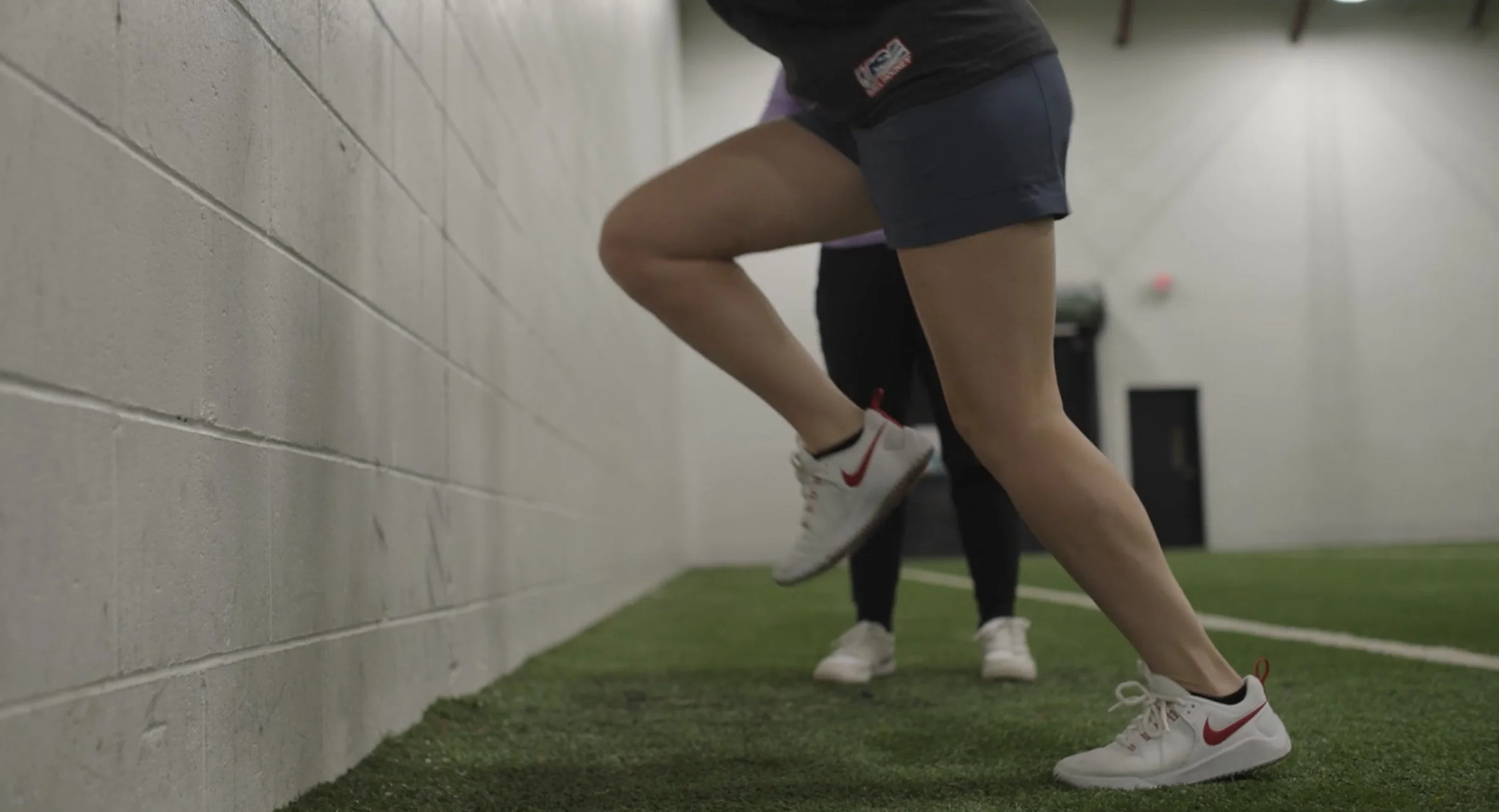
Why Ankle Sprains Keep Happening And How to Prevent Them
What You Need to Know
Ankle sprains are one of the most common injuries in sports, especially for female athletes. Recurrent sprains can lead to chronic instability, reduced performance, and higher risk of other injuries.
1️⃣ What Happens During an Ankle Sprain
Most sprains occur when the foot rolls inward, stressing ligaments on the outside of the ankle. Common causes:
Landing awkwardly
Stepping on another player’s foot
Quickly changing direction
Cutting at high speed
2️⃣ Why Sprains Recur
Loss of proprioception: Reduced awareness of ankle position.
Weak stabilizing muscles: Particularly peroneals (outside muscle group of lower leg).
Poor movement patterns: Can affect the knee and hip.
Incomplete rehab: Strength, balance, and stability must be restored.
3️⃣ Why Ankle Stability Matters for the Whole Leg
Compromised ankles can:
Increase stress on knees, hips, and achilles
Contribute to inward knee movement → ACL tear risk
4️⃣ Key Components of Prevention
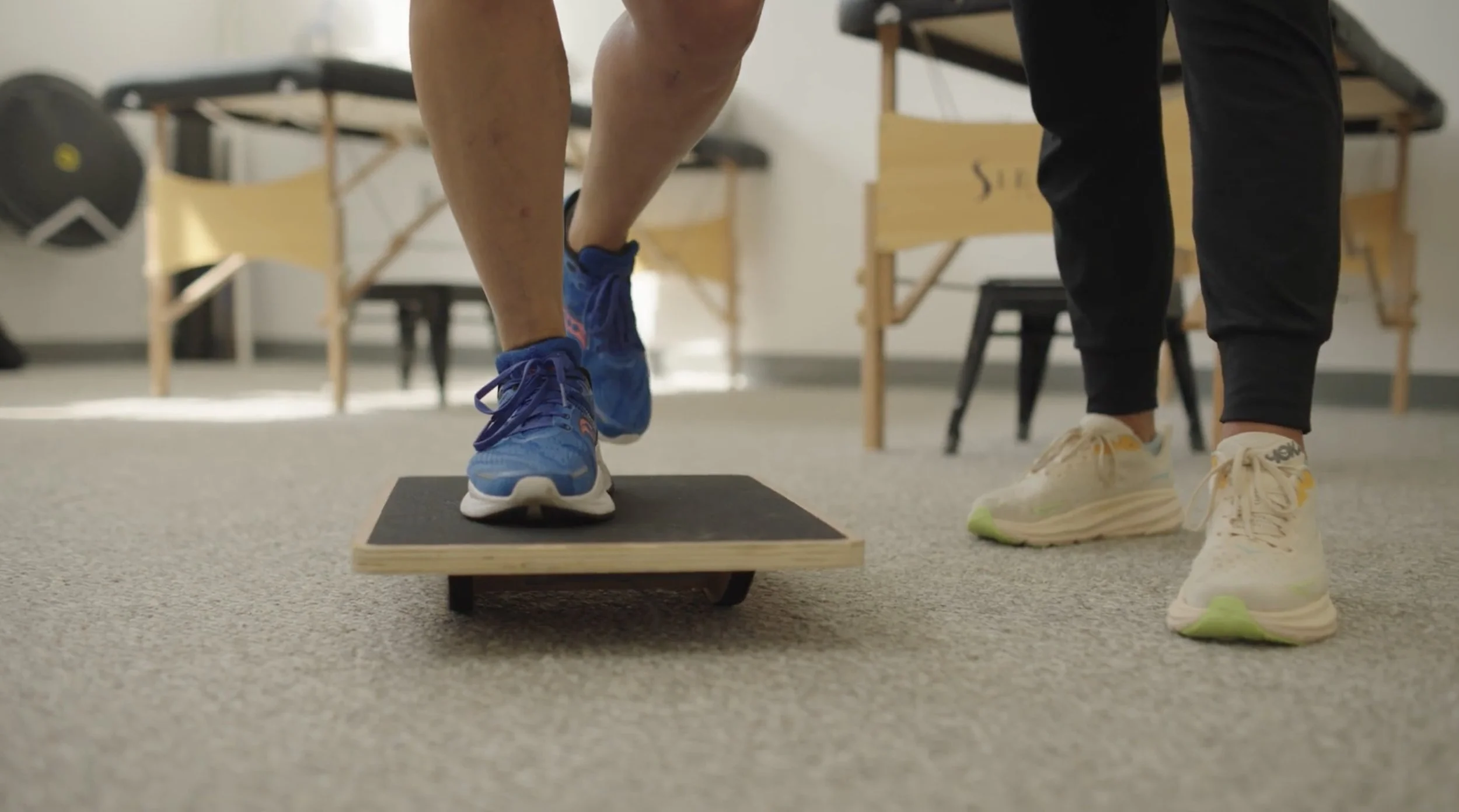
Balance Training
Single-leg exercises improve ankle stability.
Strength Training
Target peroneals, calves, foot stabilizers, and hips.
Dynamic Stability
Practice sport-specific landing, jumping, and cutting in controlled settings.
5️⃣ When to Seek Help
See a PT after any ankle injury but especially after:
Repeated ankle sprains
Persistent swelling or instability
Pain during cutting or jumping
A feeling that your ankle is "giving way"
Difficulty with single-leg balance
Pain or instability during cutting or jumping
Difficulty returning to your normal sport or activity
6️⃣ How we can help at kinisi
At KINISI, we don't just treat the ankle—we look at how the entire athlete moves.
We can help you:
Restore ankle mobility and strength
Rebuild balance and proprioception Improve single-leg control
Address calf, foot, hip, and lower-extremity strength deficits
Progress jumping, landing, and cutting mechanics
Build sport-specific strength and confidence
Create an individualized plan to reduce the risk of future injury
The goal? Not just getting you back to your sport—but helping you feel stronger, more confident, and more prepared to stay there.
7️⃣ Final Thoughts
A sprained ankle may feel like a minor injury, but repeated sprains can become a much bigger problem. Proper rehabilitation and injury-prevention training can help restore strength, stability, and confidence so you can get back to doing what you love.
Don't just rehab the injury. Train for what comes next.