The Importance of Single-Leg Strength for Female Athletes
What You Need to Know
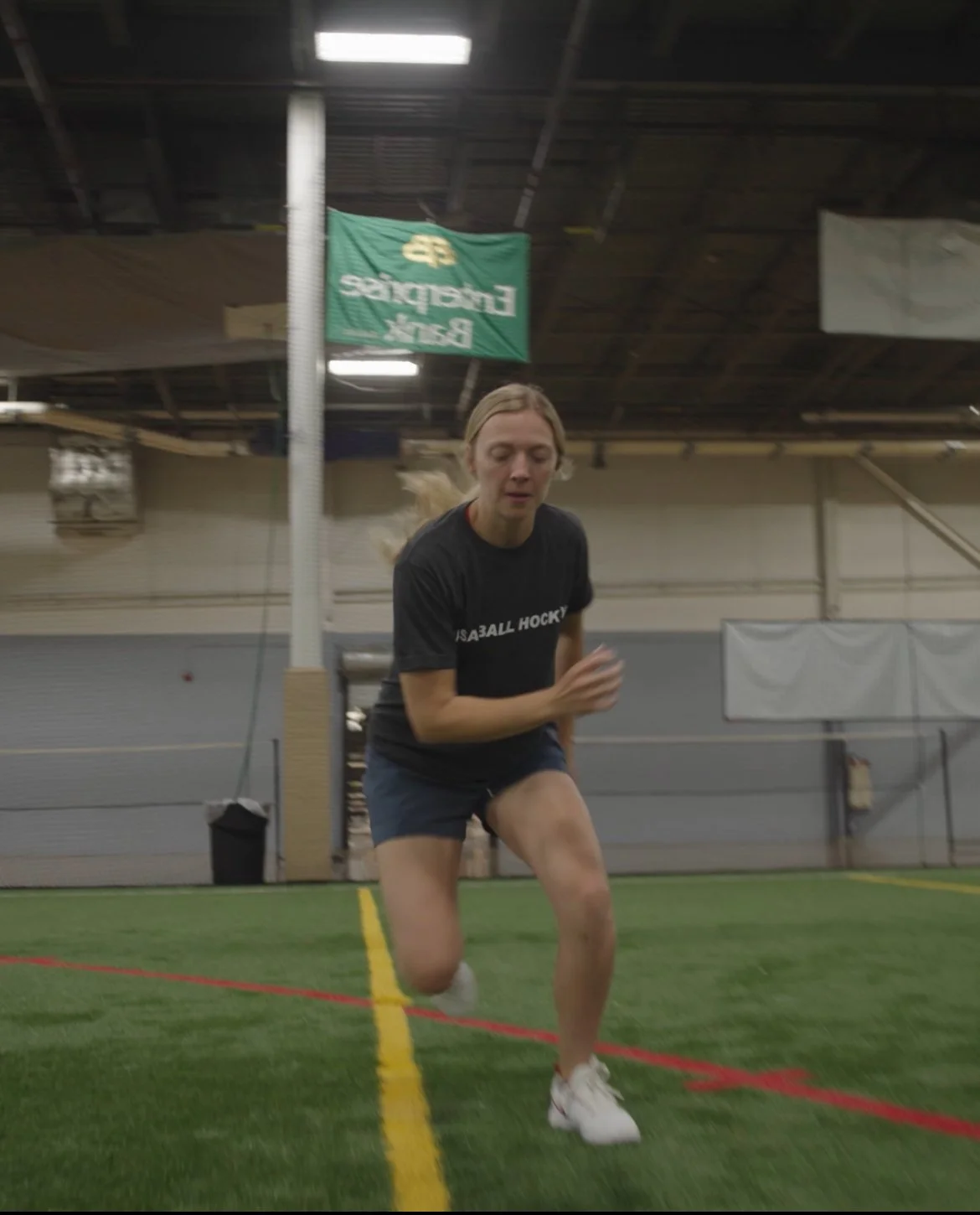
Most athletic movements happen on one leg. From cutting to landing, single-leg strength is crucial for both performance and injury prevention, especially in female athletes.
1️⃣ Why Single-Leg Strength Matters
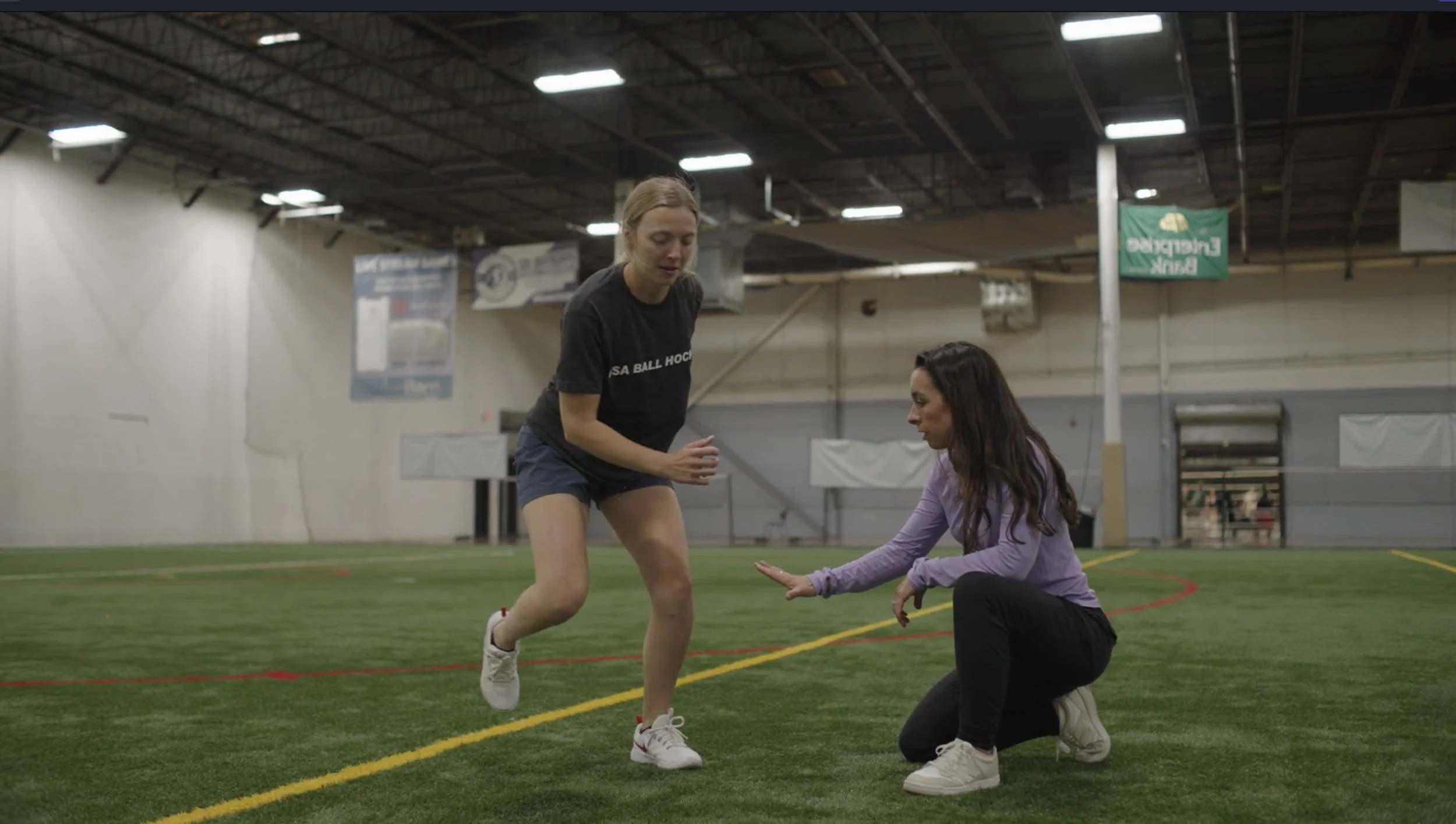
Most sports are played one leg at a time. Whether you're sprinting, jumping, landing, or changing direction, each leg must be able to produce force, absorb impact, and maintain alignment independently.
Poor single-leg strength and control can contribute to:
Inward knee collapse (dynamic knee valgus) during landing and cutting
Reduced force absorption through the hip, knee, and ankle
Decreased balance, power, and change-of-direction performance
Compensatory movement patterns that may increase the risk of lower extremity injury
2️⃣ Key Muscles
Developing strength throughout the entire kinetic chain helps athletes move more efficiently and safely.
Gluteus maximus & gluteus medius
Control hip stability and prevent excessive knee collapse
Quadriceps
Generate force for jumping, sprinting, and deceleration
Hamstrings
Help stabilize the knee by resisting excessive forward movement of the tibia, reducing strain on the ACL
Calf complex
Absorbs landing forces and provides stability during running and cutting
Core
Provides trunk stability and improves force transfer between the upper and lower body
Training these muscles together enhances movement quality, efficiency, and control.
3️⃣ Functional Benefits
Single-leg training doesn't just build strength—it develops the neuromuscular control athletes need in sport.
Benefits include:
Improved landing mechanics
Better cutting and pivoting control
Increased balance and proprioception
Greater power production
Improved deceleration and acceleration
Enhanced confidence during sport-specific movements
Increased resilience to injury
4️⃣ Sample Single-Leg Exercises
Progress exercises based on the athlete's strength, control, and sport demands.
Beginner
Single-leg sit-to-stand
Lateral step-downs
Single-leg balance reaches
Intermediate
Bulgarian split squats
Single-leg Romanian deadlifts
Reverse lunges
Advanced
Single-leg squats
Single-leg hops and stick landings
Lateral bounds
Rear-foot elevated split squats with load
Focus on quality before quantity. Prioritize proper alignment, controlled movement, and progressive loading before increasing speed or complexity.
5️⃣ Key Takeaways
Strong single-leg stability is one of the foundations of athletic performance and injury prevention. Because sport rarely happens on two feet, athletes who develop strength, balance, and control on each leg are better equipped to jump, cut, land, and sprint efficiently.
Consistently incorporating single-leg strength training throughout the year can:
Improve performance
Enhance movement efficiency
Reduce asymmetries between limbs
Build confidence in sport
Help lower the risk of lower extremity injuries, including ACL injuries