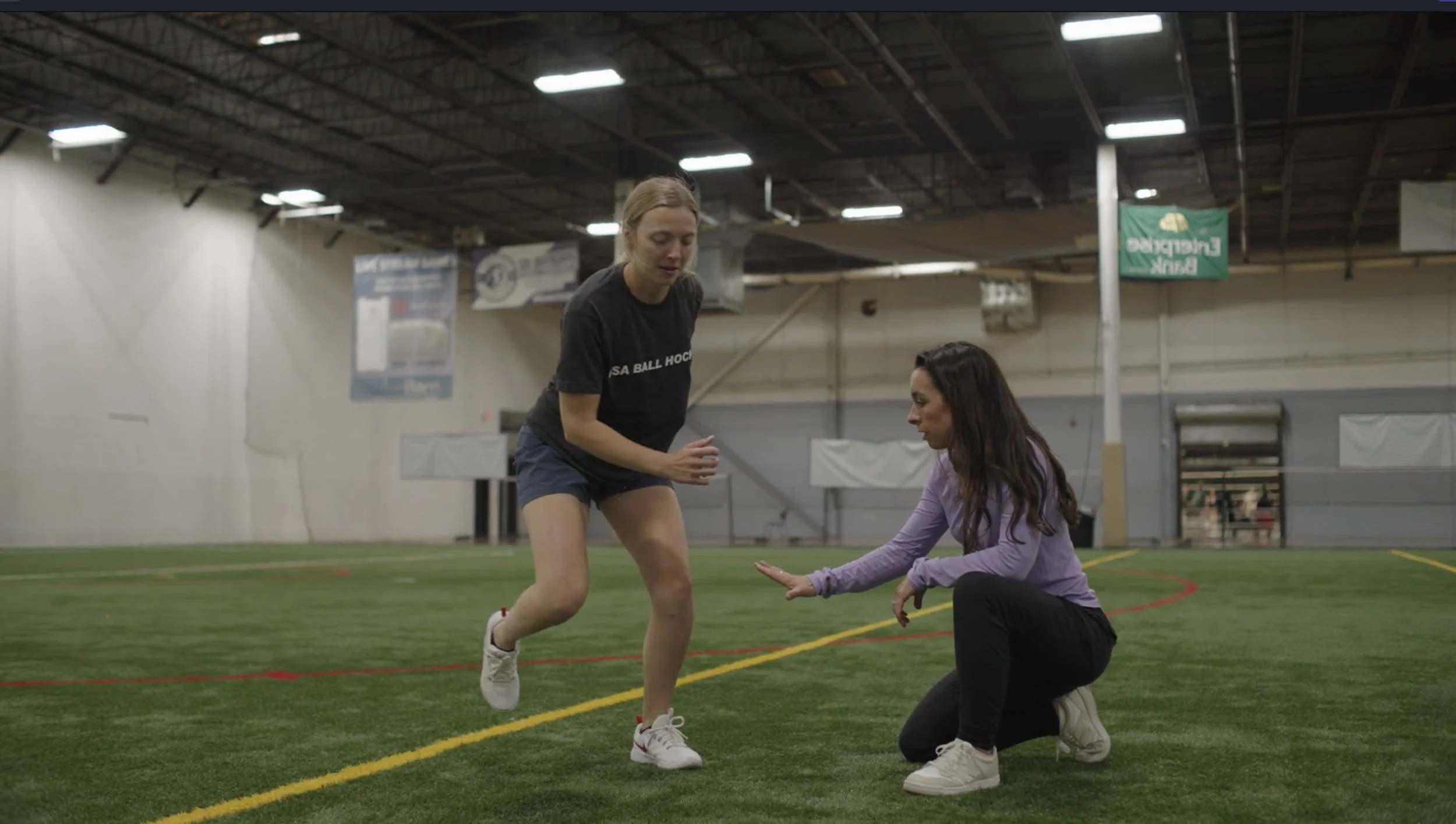
Why Skiers & Snowboarders Get MCL Sprains
& How to Protect Your Knees This Winter
What you need to know
Winter sports are incredible for building strength, confidence, and athleticism — but they also place unique stress on the knees. One of the most common injuries we see at KINISI in January and February is an MCL sprain, especially in skiers and snowboarders.
Here’s what athletes (and parents) should know!
❄️ Why MCL Injuries Happen in Skiing & Snowboarding
The medial collateral ligament (MCL) sits on the inside of your knee and helps prevent it from “caving inward.” Winter sports challenge this ligament because of:
1. Falls or twists with the ski or board fixed
The boot doesn’t allow the foot to move freely → the knee takes the torque.
2. Fatigue late in the day
Tired quads and glutes stop controlling knee position well.
3. Poor hip + glute strength
Weak hips = knee collapses inward more easily.
4. Catching an edge or sudden turning
Quick edge-catching creates force across the inside of the knee.
❄️ Symptoms of an MCL Sprain
Pain on the inside of the knee
Swelling or stiffness
Trouble weight-bearing
Feeling like the knee “gives way”
If symptoms last more than 48 hours, get assessed — early intervention prevents chronic issues
❄️ Top 5 Exercises to Protect Your Knees This Winter
These build the strength and control you need on the slopes:
1. Lateral Band Walks
Great for hip strength + knee control.

2. Single-Leg RDLs
Builds balance and posterior chain strength.
3. Wall Sits + Heel Elevated (quad bias)
Builds the endurance you need for long runs.
4. Lateral Step Downs
Trains knee alignment under load.
5. Ski-Specific Core (anti-rotation holds)
Helps with stability during turns.
❄️ When to Seek Help
If you’re noticing pain, instability, or decreased performance on the slopes, early rehab can make a huge difference. KINISI specializes in female athletes and winter sports rehab, and we can help you get back confidently and safely.