
Strength training for female athletes
Why it’s a MUST not a maybe!

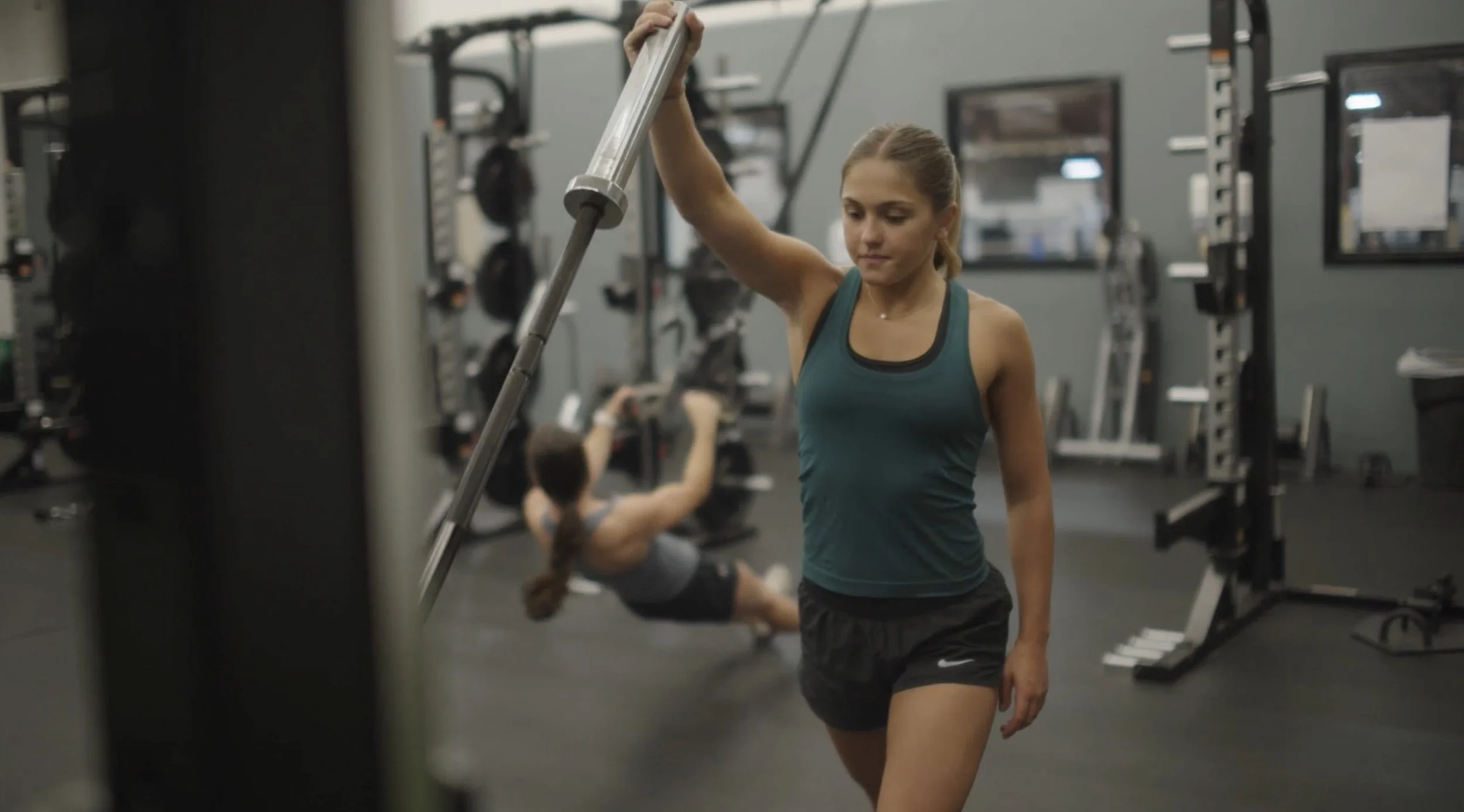
Strength training is often misunderstood when it comes to young female athletes. Myths like “it will stunt growth” or “make girls bulky” still circulate, leading many parents and coaches to delay or avoid incorporating strength work into training routines. However, when done correctly, strength training is not only safe—it's one of the most effective ways to support performance, prevent injury, and build lifelong confidence in young women.
In this blog, we’ll explore the benefits of strength training for young female athletes, outline safe strategies, and address common concerns.
Why it matters
Injury Prevention
Female athletes are more prone to certain injuries, such as ACL tears, due to differences in biomechanics, muscle development, and hormonal factors. Strength training helps correct muscle imbalances and enhances joint stability—especially in the knees, hips, and core.
2. Improved Athletic Performance
Strength training boosts speed, agility, endurance, and overall power. Whether your athlete plays soccer, volleyball, gymnastics, or track, a stronger body moves more efficiently and effectively on the field.
3. Confidence & Body Awareness
Learning to move with control builds not just muscle—but also self-esteem. Young female athletes who engage in strength training often develop a healthier relationship with their bodies and feel more empowered in their sports and daily lives.
Safe & Effective Strategies
✅ Start with Movement Mastery
Before introducing weights or resistance, focus on mastering fundamental movement patterns like:
Squats
Lunges
Hinge (hip movement)
Push-ups
Rows
Planks
These build a strong foundation of coordination and control.
✅ Use Bodyweight First
For younger or newer athletes (ages 10–14), bodyweight exercises are ideal. Once form is consistent, light resistance (like resistance bands or dumbbells) can be introduced under supervision.
✅ Focus on Form Over Load
Proper technique is far more important than how much weight is lifted. Always prioritize good form to reduce injury risk and ensure that strength gains transfer into athletic performance.
✅ Progress Gradually
Introduce strength exercises progressively:
Start with 2 sessions per week
30–45 minutes each
Include 6–8 exercises per session
Progress resistance slowly over weeks or months, not days.
✅ Include Unilateral Movements
Single-leg and single-arm exercises mimic many sports actions and help reduce asymmetries. Try:
Split squats
Step-ups
Single-leg RDLs (Romanian deadlifts)
✅ Make It Fun and Functional
Especially for younger athletes, make workouts engaging. Include circuits, games, or challenges that keep them motivated and focused on movement quality. We do this in our groups here at KINISI!
Common Myths—Debunked
❌ “It will make her bulky.”
Female athletes don’t typically produce enough testosterone to develop large muscle mass. Strength training builds lean muscle and power—without bulk.
❌ “It’s not safe for kids.”
When properly supervised and age-appropriate, strength training is safe and endorsed by organizations like the American Academy of Pediatrics and the National Strength and Conditioning Association.
❌ “Only elite athletes need strength training.”
Even recreational athletes benefit from better strength, coordination, and injury prevention.
How OUR Clinic Can Help
At a female-focused physical therapy clinic, we understand the unique developmental needs of young female athletes. We can:
Perform movement assessments to identify imbalances or injury risks
Design safe, personalized strength training programs
Monitor progress and modify routines as athletes grow
Collaborate with coaches and families to support well-rounded development
Final Thoughts
Strength training isn’t just for elite athletes or high schoolers. Starting early—safely and smartly—sets young girls up for long-term success, confidence, and injury resilience. When guided by professionals who understand the female body and athletic demands, strength training becomes a powerful tool in every young athlete’s journey.
