
Spring is an exciting time for runners: warm weather, outdoor miles, and renewed motivation. But it’s also the season when we see a big spike in injuries — especially among youth and female athletes eager to jump back in quickly.
Here are the top 5 injuries we treat every spring at KINISI Physical Therapy & Performance, plus what you can do to prevent them.
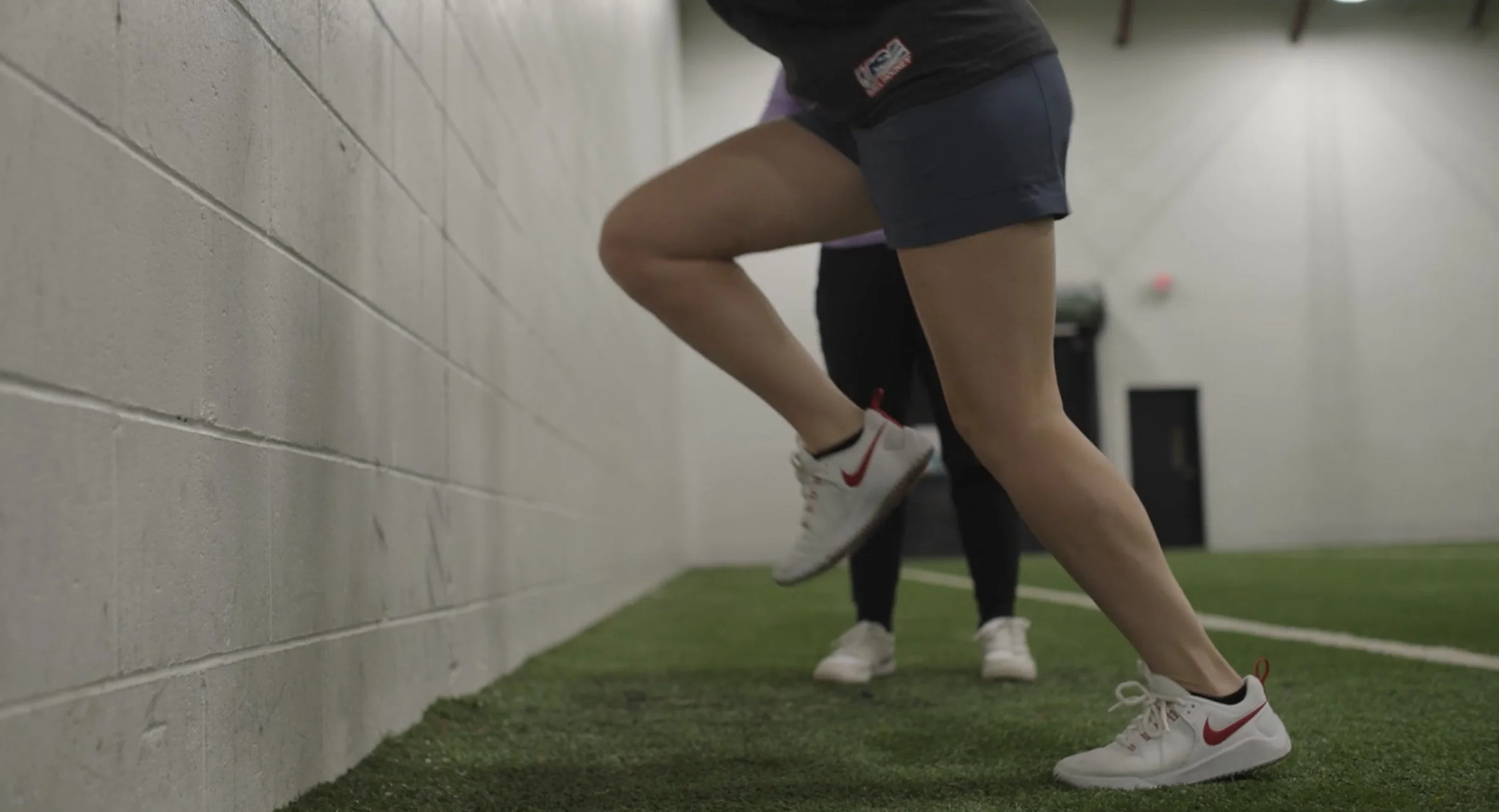
1. Shin Splints (Medial Tibial Stress Syndrome)
Shin splints happen when the tissues along the shinbone become irritated from sudden overloading.
Why it happens:
Rapid increases in mileage
Inadequate calf/foot intrinsic strength
Running on hard surfaces
Worn-out footwear
Prevent it:
Increase mileage no more than 10% per week
Strengthen calves, intrinsic foot muscles, and tibialis anterior
Add 1–2 rest days
Check shoe wear every 300–400 miles
2. Runner’s Knee (Patellofemoral Pain Syndrome)
One of the most common spring injuries.
Why it happens:
Weak hips → knee collapses inward
Overuse
Poor shock absorption
Tight quads or IT band
Prevent it:
Strengthen your hips
Run soft surfaces when possible
Mix intervals with easy runs
Monitor pain early
Work on landing mechanics
Increase your cadence
3. Achilles Tendinopathy
The Achilles absorbs huge forces with every step. Sudden load spikes irritate it quickly.
Why it happens:
Dramatic increase in hills or speed work
Tight and weak calves
Poor ankle mobility
Prevent it:
Eccentric calf exercises
Introduce hills slowly
Warm up properly
Stretch after long runs
4. Plantar Fasciitis
Pain at the bottom of the foot or heel, especially in the morning.
Why it happens:
Increased mileage
Weak foot muscles
Calf tightness and weakness
Poor footwear support
Prevent it:
Strengthen foot intrinsics, calf muscles, and your hips
Calf mobility
Replace shoes before they fail
5. IT Band Syndrome
A frustrating injury caused by friction along the outer knee.
Why it happens:
Weak glutes
Poor trunk control
Too much downhill running
Prevent it:
Hip strengthening
Trunk stability work
Gradual progression on terrain
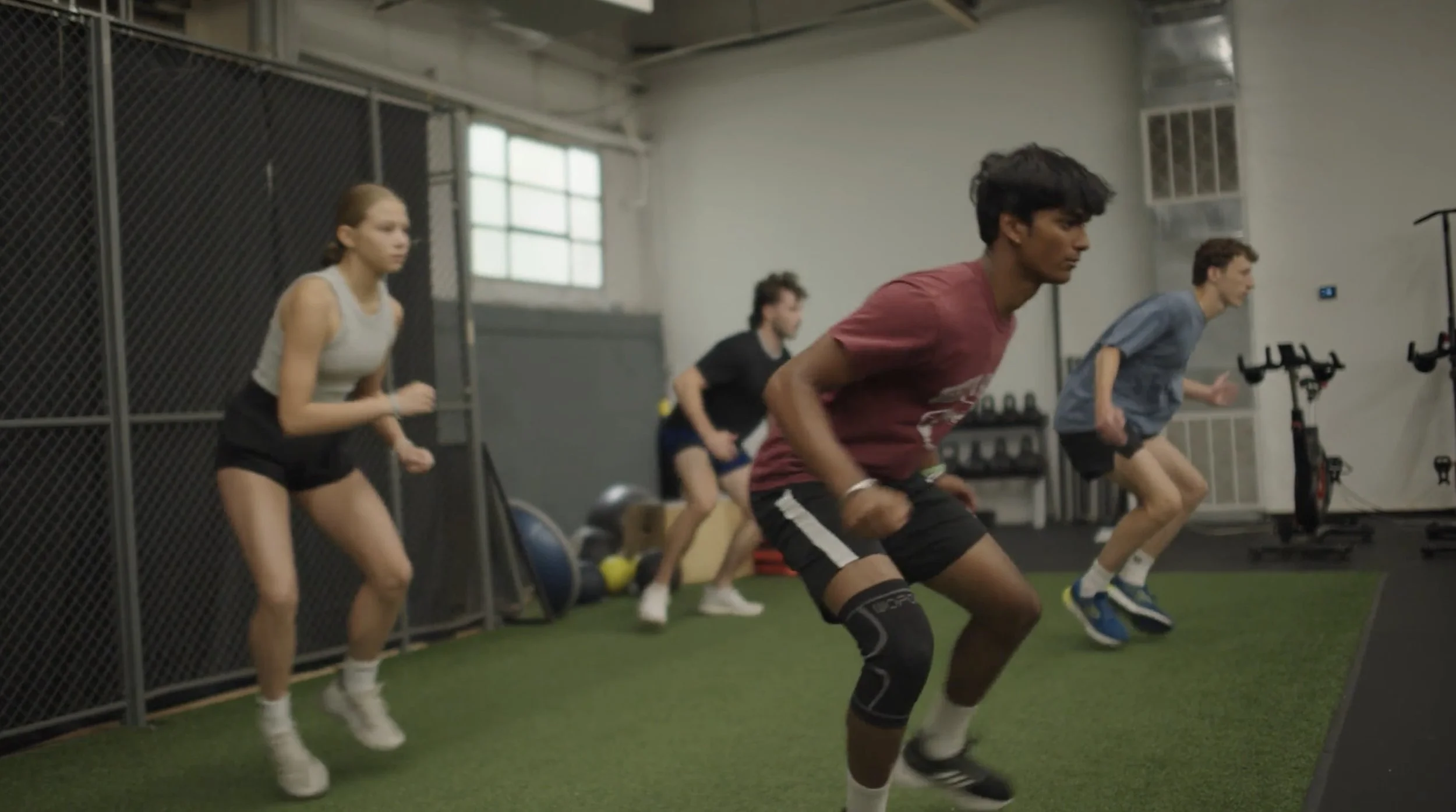
Bottom Line: Strong Runners Stay Healthy
Spring running should feel good.
Start slow, build gradually, and give your body the strength foundation it needs.
If pain does show up — early intervention is everything.
