What You Need to Know
Returning to sports after an ACL injury is about more than “healing the knee.” Many athletes feel ready before their body has fully rebuilt strength, stability, and movement control. Female athletes are particularly vulnerable to re-injury if deficits remain.
1️⃣ Why Strength Matters
The ACL stabilizes the knee during high-risk movements such as:
Cutting and pivoting
Jumping and landing
Sudden deceleration
Without full strength, compensatory patterns develop, increasing injury risk and reducing performance.
2️⃣ Common Strength Deficits
Quadriceps Weakness
Makes it harder to control landings and absorb impact, which can slow down progress with running, jumping, and getting back to sports safely.
Hamstring Weakness
Reduces knee support during faster movements, making it harder to keep the knee stable when sprinting or changing direction.
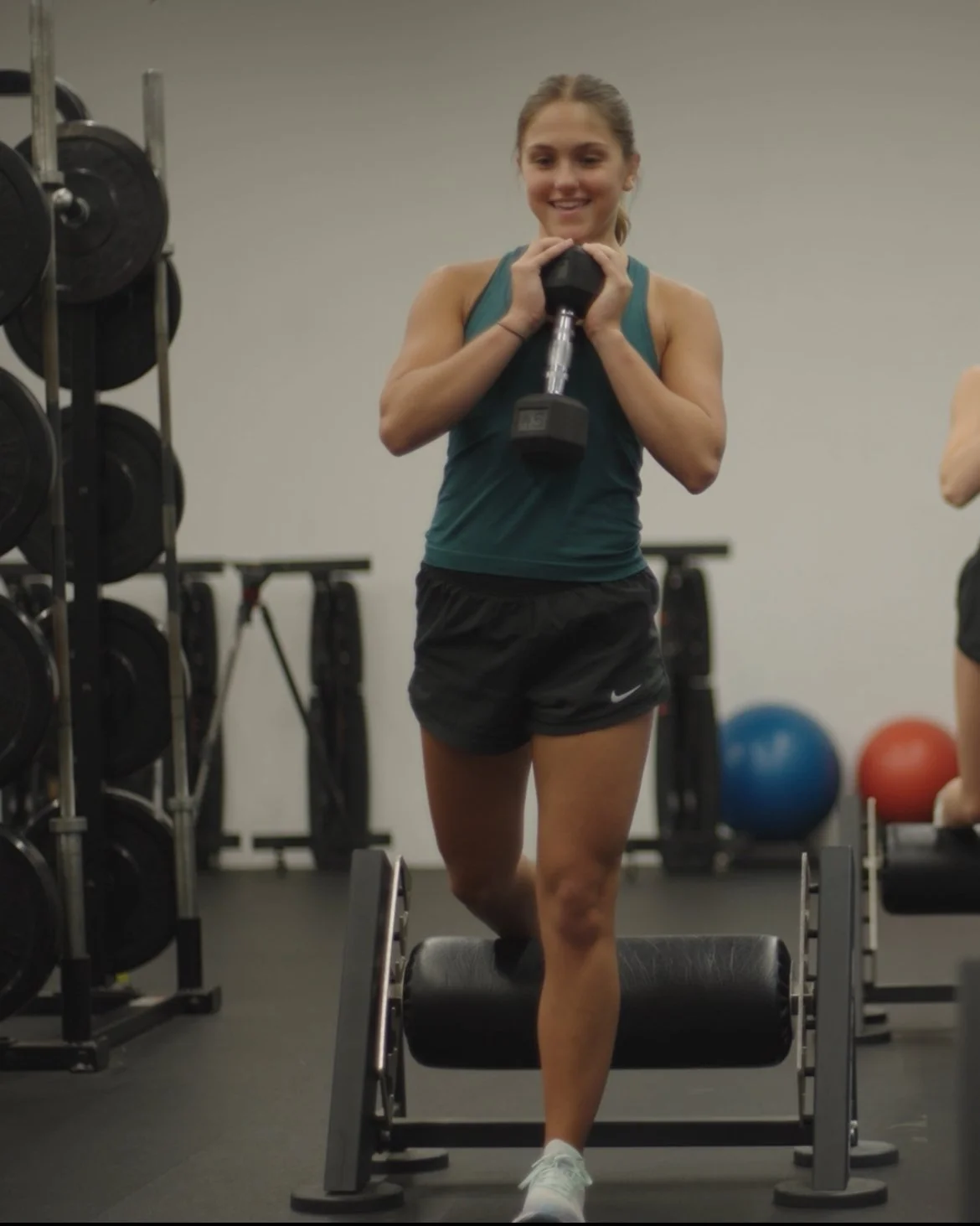
Hip and Glute Weakness
Can cause the knee to cave inward during movement, which makes running, cutting, and landing less controlled and less safe.
Single-Leg Stability
Means one leg isn’t working as well as the other, which can affect balance, power, and increase the chance of re-injury when returning to sport.
3️⃣ Functional Testing Before Return to Sport
Athletes should be tested with:
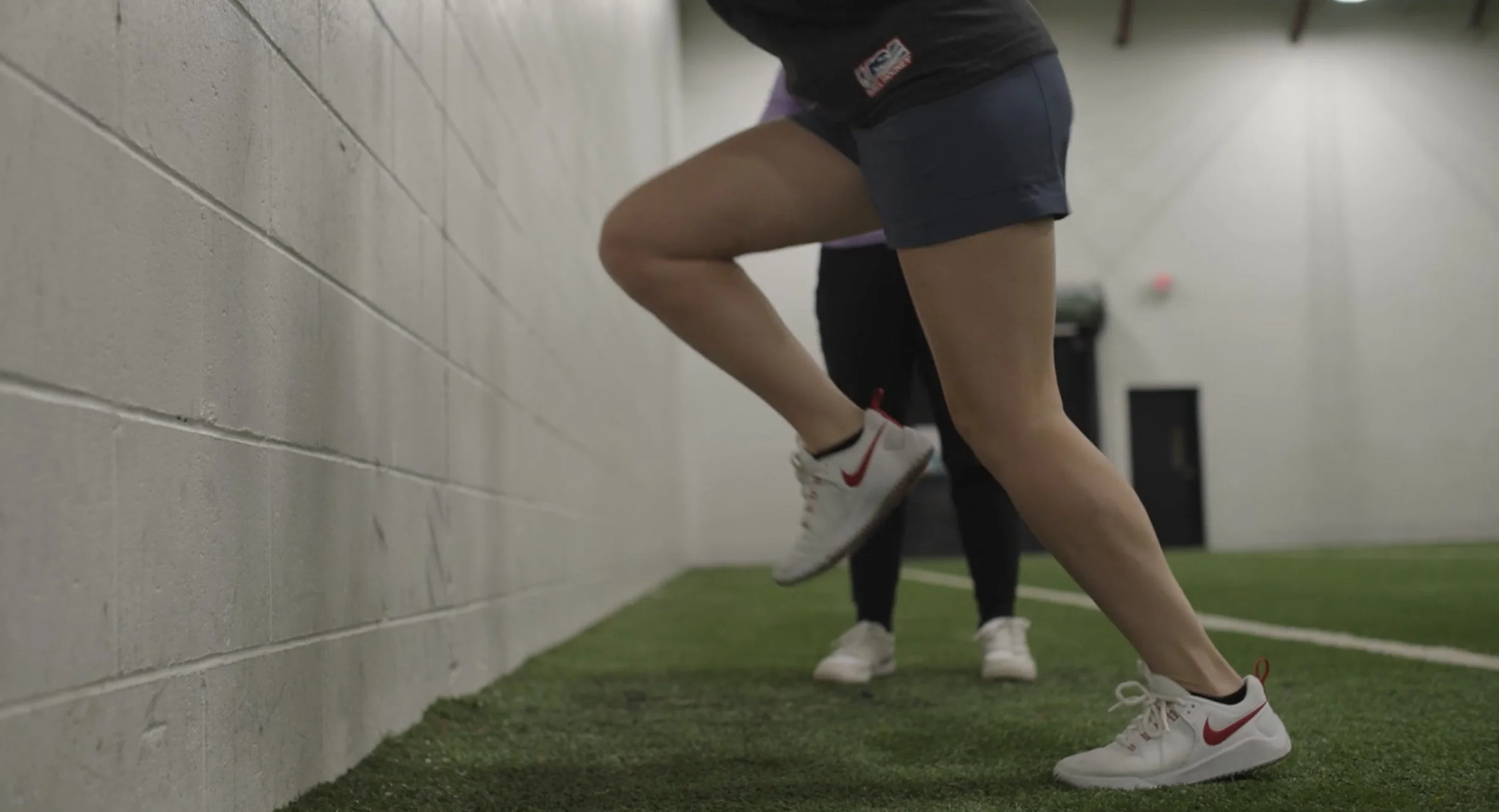
Single-Leg Hop Testing
Vertical and horizontal hop performance and symmetry
Repeated Jump / Plyometric Testing
Triple hop, repeated hop tests (e.g., 10–5), drop jump mechanics
Strength Assessments
Quadriceps, hamstrings, and hip strength symmetry and force production
Movement Analysis
Landing mechanics, cutting, deceleration, and single-leg control
Agility Testing
Change of direction, reactive drills, and sport-specific speed
Psychological Readiness
Confidence, fear of re-injury, and readiness to return to sport
These tests confirm readiness and reduce re-injury risk.
4️⃣ Timing Matters
Returning too early increases re-tear risk. Evidence shows waiting at least 9 months post-ACL reconstruction and meeting strength criteria dramatically lowers re-injury rates.
5️⃣ CoNTINUED TRAINING MATTERS
Returning to sport is not the finish line. Athletes should continue to focus on:
Maintaining lower-body strength
Improving power and explosiveness
Reinforcing proper landing and cutting mechanics
Building single-leg stability and control
Reducing the risk of future injury through ongoing training
Why it matters: Strength, power, and movement quality can decline once formal rehabilitation ends. Continued training helps athletes perform at their best and lowers the risk of re-injury as they return to competition.