
The Science of Return-to-Play: Beyond Just Feeling Ready
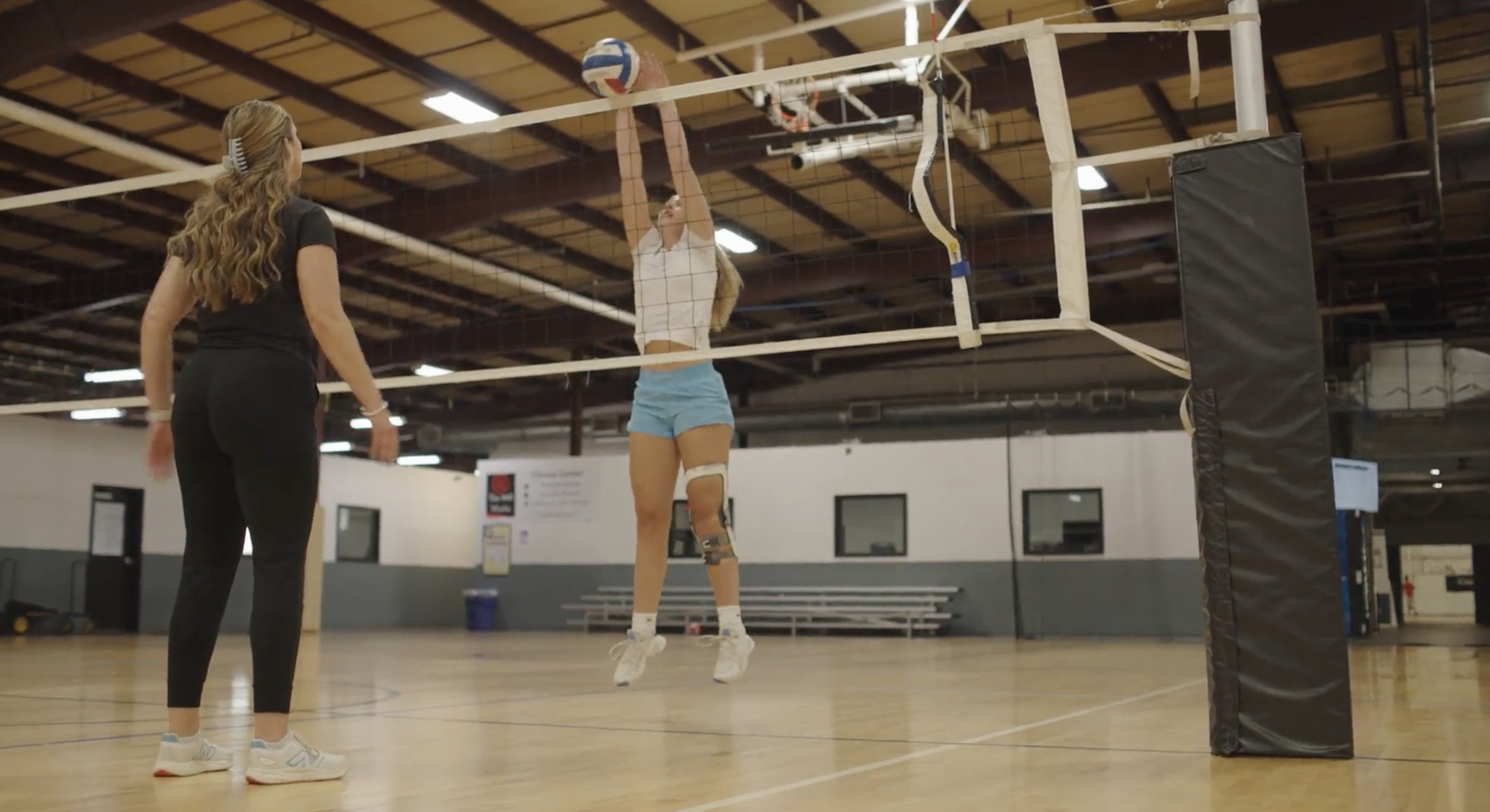
Getting cleared to return to sport after ACL surgery shouldn’t come down to a date on the calendar — or just “feeling ready.”
A safe return is a step-by-step process that looks at how strong you are, how you move, and whether your body (and mind) can handle the demands of your sport.
1️⃣ Strength: It’s Not Just About Symmetry
You’ve probably heard of the “90% rule” — meaning your surgical leg should be at least 90% as strong as your other leg.
That’s important, but it’s only part of the picture.
Your quads and hamstrings need to be strong
Your hips and core need to support control and stability
And just as important — your strength needs to be high enough overall, not just equal side to side
👉 If both legs are weak, being “90% symmetrical” doesn’t protect you.
The goal is strong and balanced.
2️⃣ Testing Power and Control
Strength in the gym doesn’t always translate to sport. That’s why we test how your body performs.
This can include:
Jump testing (both legs and single leg)
Landing and re-jumping (reactive strength)
Hop tests forward and side-to-side
These tests look at:
Power
Control
Endurance
Differences between sides
But here’s the key:
👉 It’s not just about how far or how high you go — it’s how you move while doing it.
3️⃣ Movement Quality Matters
You shouldn’t just be able to complete a movement — you should be able to control it well.
We’re looking for:
Good landing mechanics (no knee collapsing inward)
Strong control when slowing down (deceleration)
Stable hips and trunk
Poor movement patterns can increase your risk of reinjury — even if you feel strong.

4️⃣ Building Back to Sport (Step by Step)
You don’t go from rehab straight into a full game.
Your body needs to rebuild tolerance to:
Running → sprinting
Controlled movements → quick changes of direction
Planned drills → reactive, unpredictable situations
Eventually, this leads to:
Sport-specific drills
Small-sided play
Full competition
👉 This progression is what prepares you for the “chaos” of real sport.
5️⃣ Psychological Readiness (ACL-RSI)
Being physically ready doesn’t always mean you’re mentally ready.
After ACL surgery, it’s very common to have:
Fear of reinjury
Hesitation with cutting or jumping
Lack of trust in the knee
One way we measure this is with the ACL-RSI (Anterior Cruciate Ligament Return to Sport Index).
This is a simple questionnaire that looks at confidence, emotions, and risk perception
Many clinicians look for scores around 80% or higher before full return to sport
👉 If confidence isn’t there, movement changes — and injury risk goes up.
5️⃣ Recovery Outside the Gym Matters Too
Healing and performance don’t just come from rehab sessions.
They depend on:
Sleep
Nutrition
Stress levels
Consistency over time
Most athletes take around 9–12 months to return to sport after ACL surgery — sometimes longer.
👉 Everyone recovers differently, and rushing the process increases risk.
The Takeaway
Returning to sport isn’t about hitting a certain month post-op.
It’s about being:
Strong enough (not just symmetrical)
Able to move well under pressure
Prepared for real-game demands
Mentally ready and confident
Return to play is a process — not a date, and not just a feeling.
